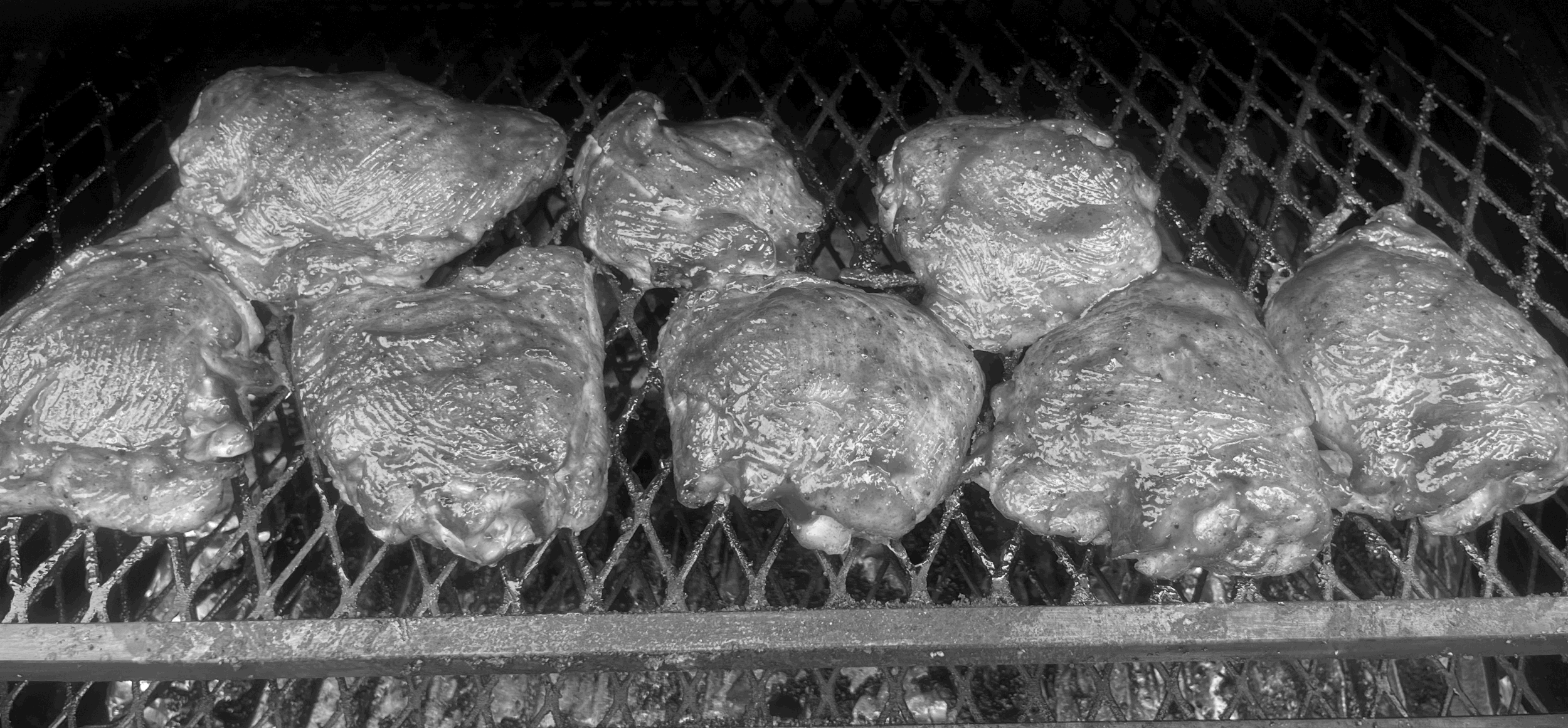
BBQ Chicken Essentials
BBQ Chicken Done Right: Juicy, Flavor-Packed, and Never Dry
There’s a big gap between average BBQ chicken and the kind people remember. Most of the difference comes down to a few disciplined steps that are easy to overlook but make all the difference in texture, flavor, and consistency.
Start With the Brine (This Is Non-Negotiable)
If you skip this step, you’re already behind.
Brining is what separates dry, forgettable chicken from something tender and juicy all the way through. At a minimum, you want to brine for 3 hours, but if you can plan ahead, overnight is ideal.
My go-to is a buttermilk brine with bone in, skin on thighs. They are very hard to dry out and have a lot of flavor.
Buttermilk does two things:
It tenderizes the meat by gently breaking down proteins
It helps the chicken retain moisture during the cook
The result is chicken that stays juicy even when you push it to higher internal temps on the smoker.
Don’t have buttermilk handy? If you have milk add 1 cup of milk and 1 table spoon of an acid like vinegar or lemon juice to a bowl. Allow milk to curdle and you got buttermilk. Takes about 10 min. Plan for 1 cup of buttermilk to 1 pound of chicken.
FYI: brining for more than 24 hours can break down the chicken too much.
Seasoning: Find the Balance
Once the chicken comes out of the brine, pat it dry and season it properly.
This is where a lot of people go wrong. Either they under-season and the chicken tastes flat, or they overdo it and bury the flavor of the meat.
What you want is a balanced coating:
Not too light — you should see a full, even layer
Not too heavy — you’re not trying to form a crust like brisket
A good BBQ chicken rub should complement the smoke and the sauce, not compete with them.
Smoke It Properly
Now onto the cook.
You’re not cooking chicken like steak — don’t pull it too early. For BBQ chicken, you want to take it to an internal temperature of 175°F.
Why higher than the typical 165°F?
Because dark meat (and even bone-in chicken in general) benefits from that extra time. The connective tissue breaks down more, and the texture becomes noticeably better — more tender, less rubbery.
Low and steady smoke gives you:
Better flavor penetration
More forgiving cook window
Consistent results
Sauce at the Right Time
This is another place people mess up.
Do not sauce too early. Once the chicken reaches 175 you should sauce.
BBQ sauce has sugar in it, and if you apply it too soon, it will burn before the chicken is done. Instead:
Let the chicken cook almost all the way through
Apply your sauce toward the end
Put it back on the smoker to tack up
“Tacking up” means the sauce sets and tightens onto the surface of the chicken, creating that sticky, glossy finish you want — not a wet, sloppy coating.
One of my favorite sauces you should check out: Alabama White Sauce.
The End Result
If you follow this process, you get:
Tender, juicy meat from the brine
Balanced flavor from proper seasoning
Deep smoke character
A clean, sticky finish from properly set sauce
Do these steps right, and your chicken won’t just be good — it’ll be something people come back for.
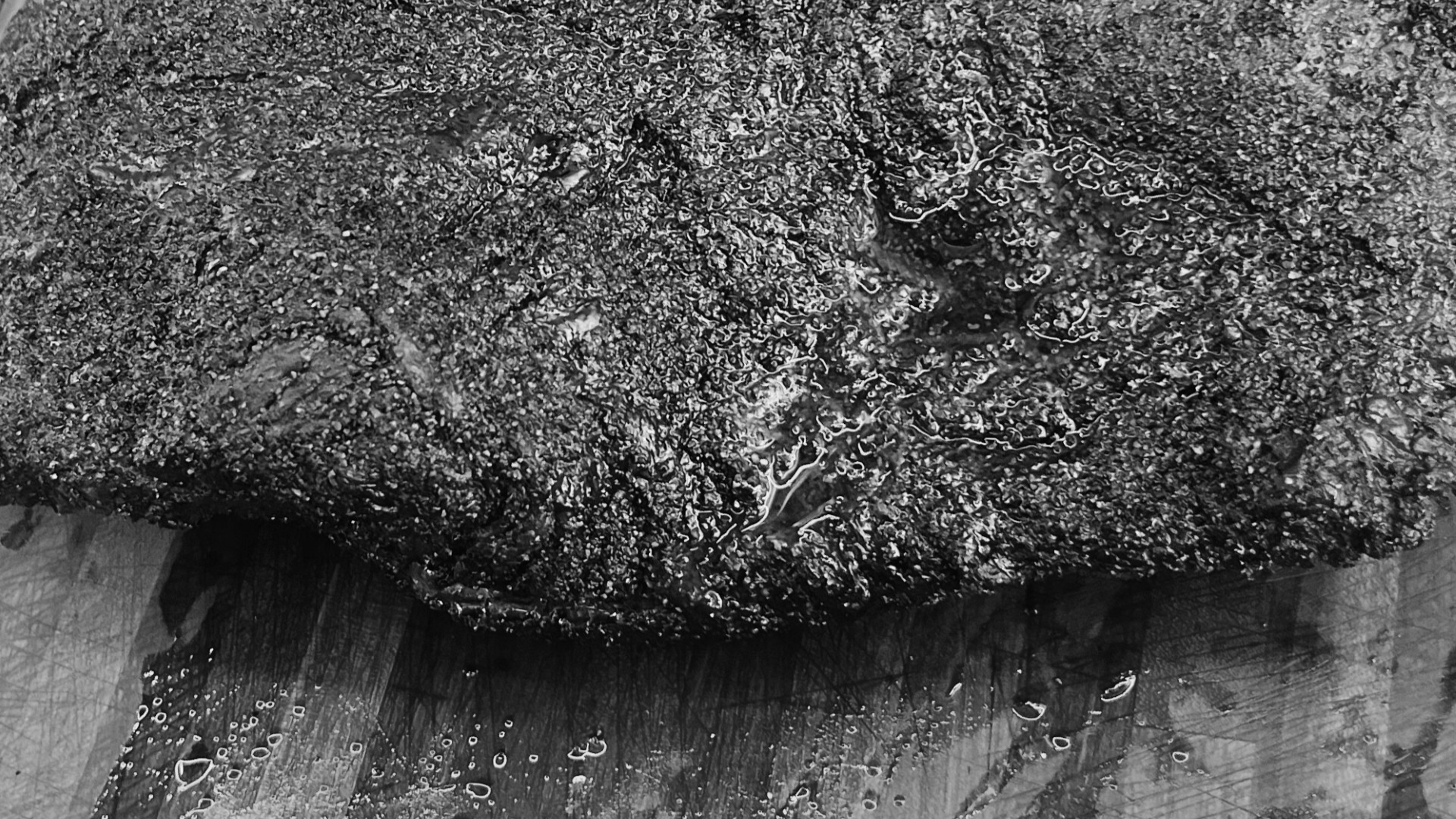
What Makes Great Brisket? The 5 Things Most Beginners Get Wrong
Brisket is the king of BBQ. It’s also the cut that exposes every weakness in a pitmaster. Pork butt forgives you. Chicken forgets your sins. Brisket? Brisket remembers. It punishes pride like a seasoned confessor who’s heard it all.
But here’s the truth: great brisket isn’t magic, and it’s not luck. It’s technique, patience, and a little respect for a cut of meat that came from the hardest-working muscles on the cow.
Let’s break down what actually matters — and the five mistakes that ruin briskets every weekend across America.
1. Starting With the Wrong Brisket
You can’t polish a bad brisket. If your meat is thin, uneven, or poorly graded, no trick, rub, or magic wrap will save it.
A great brisket starts with:
Good marbling (Prime or at least Choice)
A flat that isn’t paper thin
A point with real fat to render
No weird gouges from bad trimming at the store
If the flat looks like a paperback book, walk away. Great BBQ begins with great sourcing.
2. Not Trimming It Properly
Most beginners either trim nothing or trim half the cow off. I thought trimming didn’t matter at one time but to get those picture perfect slices that are consistent for customers. You don’t want to be giving a customer a very fatty piece one time and the other time a very lean piece. If you trim the fat at service you loose the bark for some slices. Just trim before. The trimmings can be ground down for brisket burgers and tallow too!
You want:
A smooth aerodynamic shape
About ¼ inch of fat on the flat
Hard fat removed (it’ll never render)
Thin edges evened out so they don’t burn
A good trim isn’t just about looks — it’s about even cooking and proper rendering.
3. Rushing the Cook
Brisket laughs at impatience.
You can’t “crank it to 300°F because people are coming over.” That’s how you get shoe leather.
The rule is simple:
Low and slow or steady and consistent.
Whether you’re cooking at 225°, 250°, or 275° — what matters is consistency.
Fluctuations kill quality. If your smoker climbs and crashes like a teenager learning stick shift, the brisket will dry out.
4. Ignoring the Render
Fat isn’t the enemy. Bad rendering is.
A great brisket has:
Jiggle
A juicy, glistening slice
A bend without breaking
Fat that melts in your mouth, not rubber
If your flat is dry, your render wasn’t complete. If your point is mushy, it rendered too far. This is the art of brisket — learning how the meat feels at each stage.
Don’t cook to a number. Cook to the render.
5. Skipping the Rest (Most Common Mistake of All)
Here’s where most briskets die: they’re cut too early.
Pulling it at 203°F is not a finish line — it’s halftime.
A brisket MUST rest.
Not five minutes. Not “just until the juices settle.”
I’m talking at least 1–2 hours, wrapped and held warm.
Longer is even better (up to 4+ hours) if you have a warmer or a cooler.
Resting lets the fibers relax and reabsorb moisture. Slice it early and you’ll watch the juices run onto the cutting board like a tragic little river of lost potential.
So What Makes a Truly Great Brisket?
It’s not a sauce.
It’s not an Instagram smoke ring.
It’s not spritzing every 18 seconds like you’re watering orchids.
A great brisket comes down to:
Quality meat
Smart trimming
Consistent cooking
Proper rendering
A patient rest
Master those, and you’ll have brisket that stops conversations, wins weddings, and makes your neighbors wonder if you secretly run a BBQ church ministry on the side.
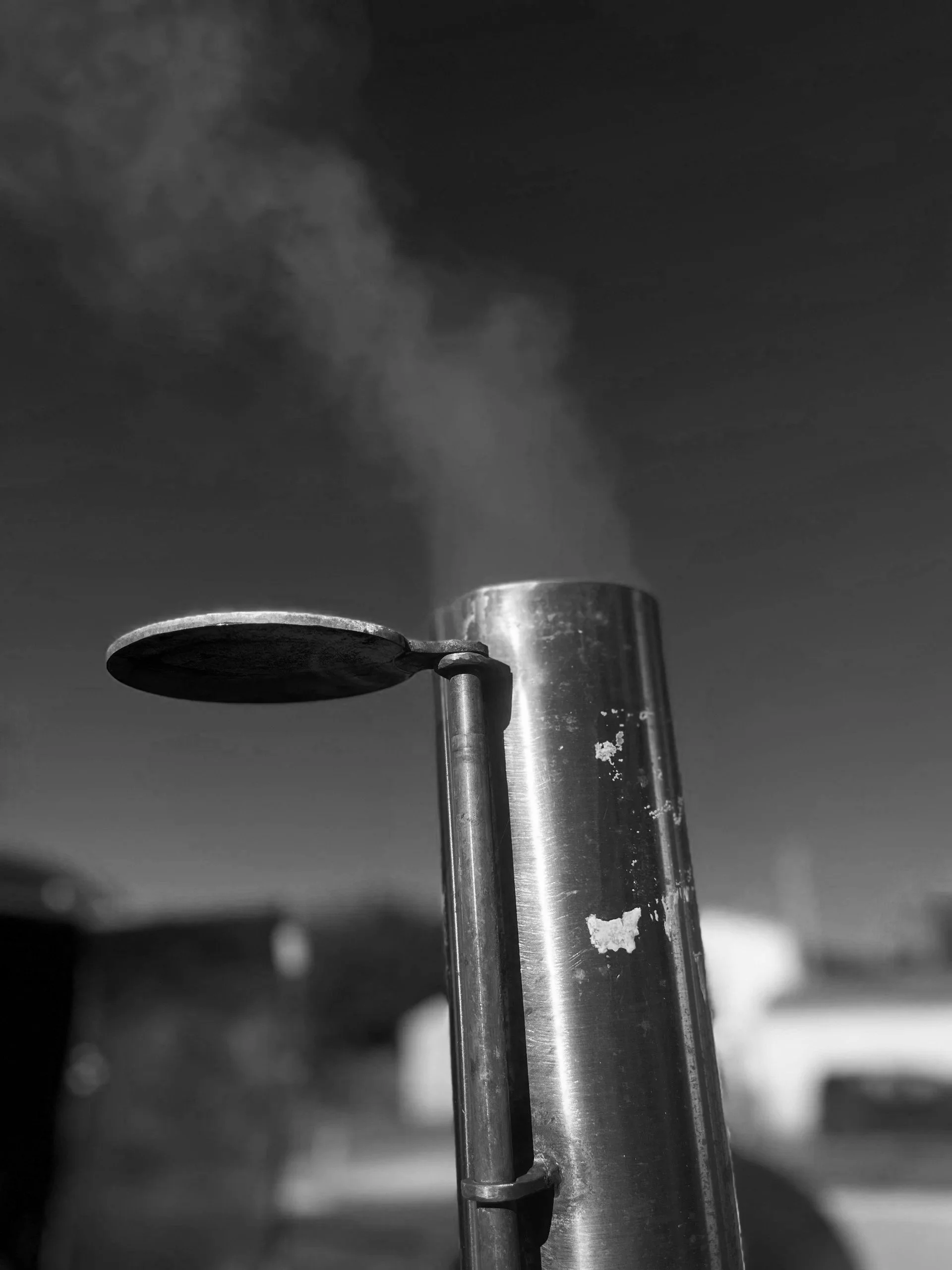
Choosing the Right Smoker for a Beginner
So you’ve been bitten by the BBQ bug — maybe it was a plate of slow-smoked ribs, maybe the smell of brisket at a festival. Whatever it was, you’re ready to start smoking meat yourself. But now you’re staring at a wall of smokers online wondering, Where do I even start?
Let’s break it down. Choosing the right smoker isn’t about buying the most expensive one. It’s about matching your goals, your schedule, and your style of cooking. Here’s how to find your fit.
Pellet Smokers: Easy, Consistent, and Great for Learning
If you want set-it-and-forget-it simplicity, pellet smokers are your best friend. They burn compressed wood pellets and hold temperature automatically — no babysitting required.
Why beginners love them:
Push-button start and steady temps.
Wood smoke flavor without the constant tending.
Perfect for learning timing, texture, and internal temps before juggling fire management.
Things to note:
Needs electricity.
Smoke flavor is milder than stick burners.
Electric Smokers: Minimal Effort, Great for Small Spaces
If you’re in an apartment or somewhere you can’t burn wood or charcoal, electric smokers are a solid option. They use wood chips for flavor and an electric element for heat.
Why they work:
Easy temperature control.
Compact and clean.
Excellent for learning technique without fuss.
Drawback:
Less smoke ring and bark than wood-burning smokers.
Limited temperature range for certain cuts.
Charcoal Smokers: Classic Flavor, Hands-On Learning
Charcoal smokers (like the Weber Smokey Mountain) are the sweet spot for many new pitmasters. You’ll learn how to manage fire, airflow, and smoke — the heart of real BBQ.
Why it’s a good teacher:
Rich, authentic flavor.
Portable and affordable.
Teaches fire control — a must-have skill.
Downside:
More hands-on — you’ll be adding fuel and adjusting vents.
Takes practice to master.
But trust me — that first perfect rack of ribs off a charcoal smoker will make it all worth it.
Offset Smokers (Stick Burners): The Real Deal (When You’re Ready)
The traditional offset smoker — a steel beast with a firebox on the side — is the gold standard for BBQ pros. But they take time and patience to master.
Why they’re awesome:
Deep smoke flavor and beautiful bark.
Teaches real wood fire management.
Built to handle big cuts like brisket and pork shoulder.
Why they’re tough for beginners:
Constant attention to temperature and airflow.
Requires dry wood and experience to run efficiently.
Some pitmasters will add propane assistance and temp monitors to be able to have a consistent temperature without as much supervision.
If you’ve already got a taste for the craft and don’t mind some trial and error, it’s an incredible investment.
The Bottom Line
If you’re brand-new to smoking:
Start with a pellet or charcoal smoker AND check online for something selling it used since brand new ones can be expensive $$$.
They’ll give you great flavor, help you learn, and won’t break the bank.
Once you’ve got a few cooks under your belt, you can decide if you want to go all-in with a stick burner.
At the end of the day, it’s not the smoker that makes great BBQ — it’s the person behind the pit. Learn your cooker, trust your senses, and enjoy the process.

How to Hire the Right Caterer — and Plan a Memorable Event
Every great event starts with great food…
When you’re planning an event — whether it’s a wedding, backyard party, or corporate gathering — good food is at the heart of it all. The right caterer doesn’t just feed your guests; they set the tone, handle the details, and make sure your event feels effortless and memorable.
At Bristol Smoke House, we’ve helped hundreds of hosts across Bucks County and the Philadelphia area pull off incredible events with bold flavor, warm hospitality, and smooth service. Here’s what you should know when hiring a caterer — plus a few tips to make your event feel polished, stress-free, and unforgettable.
1. Start With Your Vision and Guest Experience
Before anything else, think about the atmosphere you want.
Do you picture a laid-back BBQ buffet under string lights, or a classy family-style dinner with smoked meats and sides served fresh?
Your vision helps determine your menu, service style, and setup. Does anything inspire you from social media like Instagram or Pinterest? Did you save it?
Letting your wedding vendors know what you are looking for with visible examples of your expectation helps both you and them know what you want so that there are no surprises on your special day and filters out those that will not meet your expectations.
2. Choose a Caterer Who Fits Your Style (and Budget)
Every caterer has a specialty. Some focus on fine dining, others on comfort food. Ours is authentic, slow-smoked BBQ served with a modern, clean presentation that works for both casual and elegant settings.
When comparing caterers, look for:
Experience with your event type (weddings, corporate, etc.)
Transparency in pricing and portions
Flexibility with menu and setup options
Good communication (you want someone who’s responsive and reliable)
3. Ask the Right Questions Up Front
Here are a few smart questions to ask your caterer:
How far in advance should I book?
What’s included in your catering packages?
Do you provide staff for serving and cleanup?
Can I customize the menu or serving style?
At Bristol Smoke House, we offer full-service catering, including staff, buffet setups, and custom packages. We walk you through every detail — so you can relax knowing your event is handled from start to finish.
4. Plan the Menu Around Your Guests
A memorable event isn’t just about the food — it’s about how people feel.
When planning your menu, consider balance and variety:
Offer a mix of smoked meats like brisket, pulled pork, and chicken.
Include lighter sides like coleslaw or salad, alongside comfort favorites like mac and cheese.
Don’t forget sauces — people love trying a few options!
We also help clients plan for dietary needs or special touches, like late-night appetizers that fit your theme.
5. Make It Feel Classy — Even if It’s BBQ
BBQ can absolutely be elegant. Presentation and flow make the difference.
Some tips we’ve learned over the years:
Use real plates and utensils (they elevate any setup).
Add simple touches — fresh flowers, linen tablecloths, or signage for each dish.
Arrange the buffet with clean lines and intentional spacing for a polished look.
We bring serving tables, chafers, and coordinated equipment so everything looks cohesive — not chaotic.
6. Confirm the Details Early
Great events run on great planning. Once you’ve chosen your caterer, confirm:
Event date, time, and location
Guest count (with a buffer)
Menu selections and serving style
Setup needs and timeline
We’ll send you a clear catering proposal and invoice, plus help coordinate timing with your venue, planner, or brewery host.
7. Enjoy the Day — We’ve Got the Rest
On the day of your event, your focus should be on celebrating — not managing. All the details have already been figured out.
That’s why we handle setup, serving, cleanup, and timing with precision. From the first bite of brisket to the last plate cleared, we make sure your guests are fed, happy, and impressed.
🎉 Let’s Make Your Event Unforgettable
If you’re planning a wedding, company event, or private party in Bucks County or the Philadelphia area, we’d love to help make it something your guests will talk about long after the plates are cleared.
Bristol Smoke House offers BBQ catering packages with full service, custom menus, and plenty of personal touches to make your event truly yours.
👉 Contact us today to start planning your next event — and let’s create something unforgettable together.